Tolerancing Tolerancing approach in geometric dimensioning and tolerancing In this post, we will focus on the basics of datum and tolerance selection.
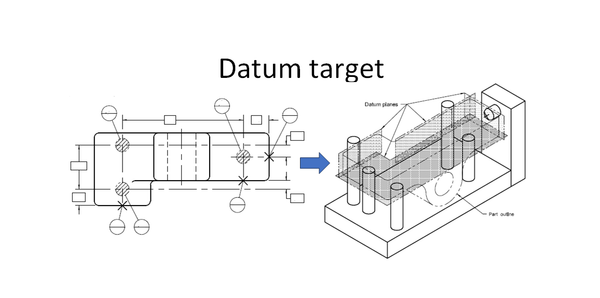
Tolerancing Geometric dimensioning and tolerancing: Datum target This post will discuss datum target, how to specify datum target and how to stabilise or fixture complex and/or flexible parts (such as sheet metal, warped or welded part, rough casting/moulded and forging) with datum target.
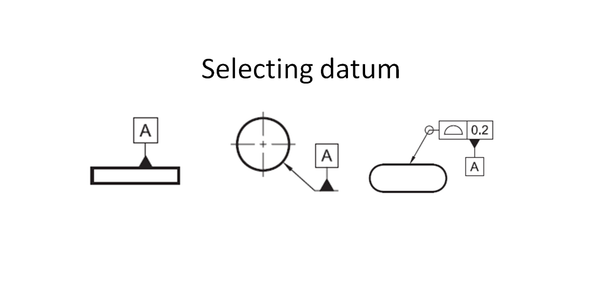
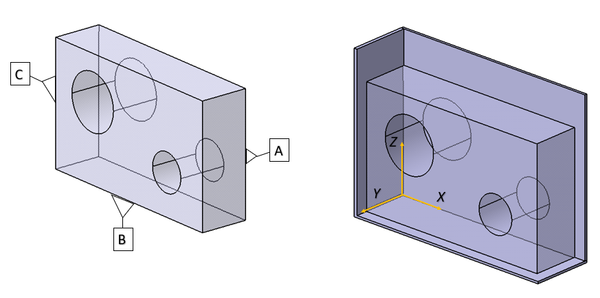
Tolerancing Geometric dimensioning and tolerancing: Datum selection This post discusses the basic principles of datum in geometric dimensioning and tolerancing (GD&T)
Tolerancing Geometric dimensioning and tolerancing: Wall-thickness analysis and LMC modifiers In this post, we will discuss how to control wall thickness on our part design
Tolerancing Tolerance stack-up analysis: The effect of manufacturing setup changes In this post, we will discuss the effect of setup (datum) changes from design drawing to manufacturing process drawing on the total tolerance stack-up of part assemblies.
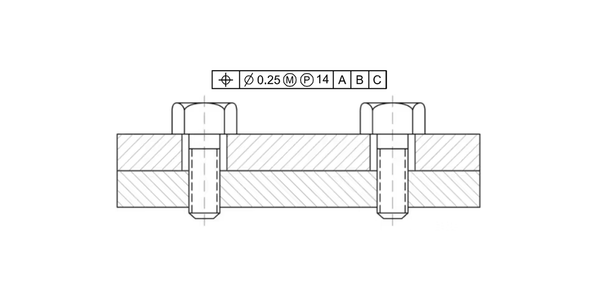
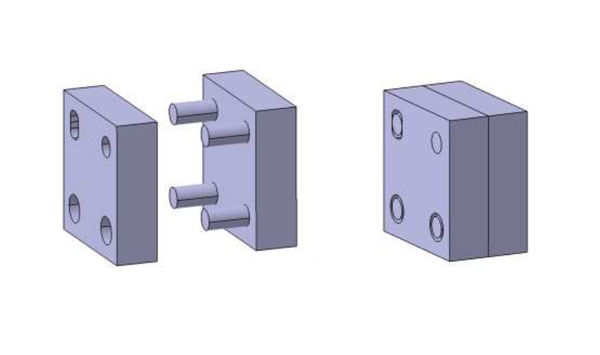
Tolerancing Fastener design and projected tolerance zone In this post, we will discuss two main types of mechanical fastener: floating and fixed fasteners as well as projected tolerance zone to control the geometrical variations of fixed fasteners.
Tolerancing Inspection of geometric tolerances: GO and NOGO gaging system In this post, we will discuss and understand the concept of GO and NOGO gage to verify geometric tolerance of positions and be able to design these types of gaging system.
Tolerancing Geometric dimensioning and tolerancing (GD&T): Rule #1 and Rule #2 In this post, we will go to basic and discuss the two fundamental rules of GD&T: Rule #1 and Rule #2.
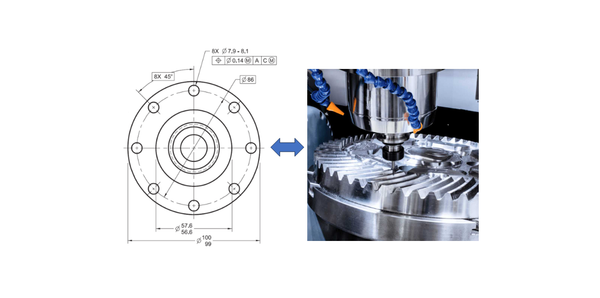
Tolerancing Geometric dimensioning and tolerancing: How to consider manufacturing processes when specifying GD&T tolerances In this post, we will discuss why we need to consider manufacturing processes when selecting symbols of geometrical dimensioning and tolerancing (GD&T) and assigning values of each GD&T symbol on a mechanical drawing.
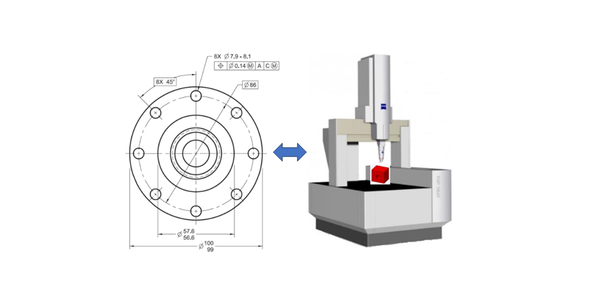
Tolerancing Geometric dimensioning and tolerancing: How to consider measurement processes when specifying GD&T tolerances In this post, we will describe things to consider related to measurement processes when we specify GD&T tolerances on a mechanical drawing.
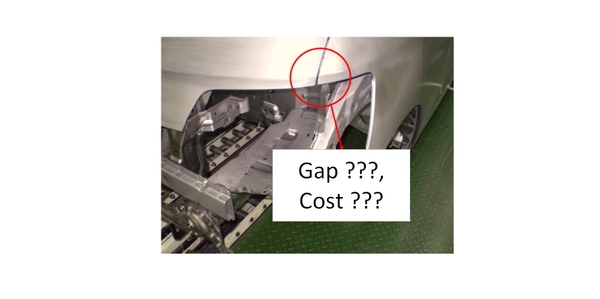
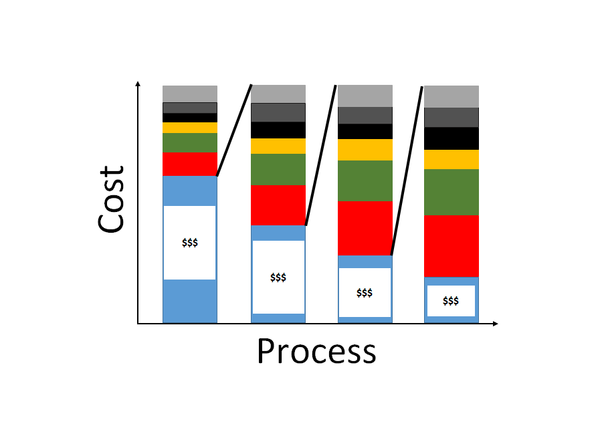
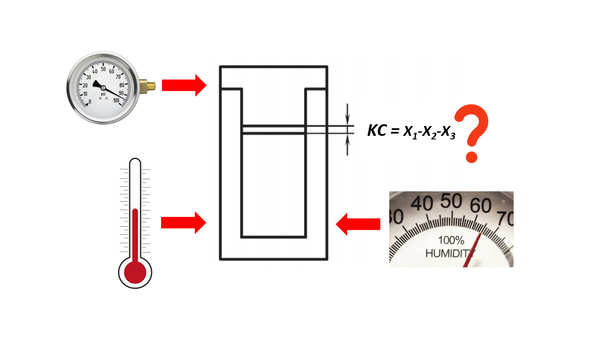
Tolerancing Predicting the cost directly when allocating the tolerance of the key characteristic (KC) of a mechanical assembly In a car factory, when they want to change the gap between an engine hood and side fender within few or less mm, this change will cost thousands or even much more of dollars to the factory.
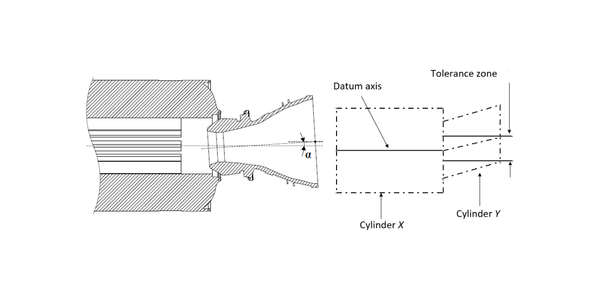
Tolerancing Manufacturing and space: How GD&T tolerancing is instrumental for rocket and satellite launcher Sending satellites to space requires a launcher that can defy the gravity of earth and put the satellites into their orbits in space outside the earth’s gravity region. This post briefly presents the application of GD&T (from manufacturing discipline) to space applications.
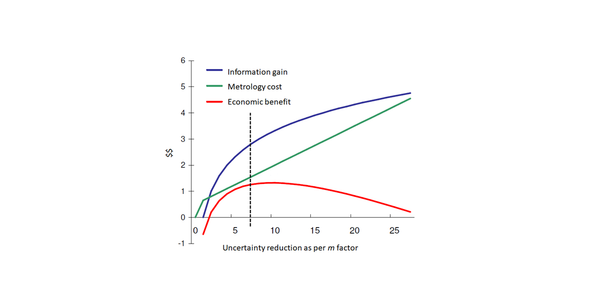
Metrology Productive metrology: The relation between uncertainty and economic benefit In this second post about productive metrology, we will discuss how a measurement uncertainty can affect the economic benefit of metrology.
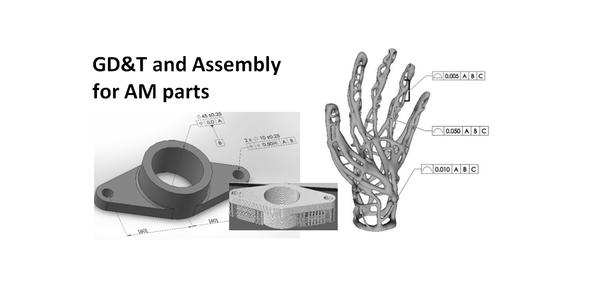
Tolerancing Geometric dimensioning and tolerancing (GD&T) and assembly of additive manufacturing parts In this post, the challenge of applying geometrical dimensioning and tolerancing (GD&T) on additive manufactured (AM) or 3D printed parts will be discussed.
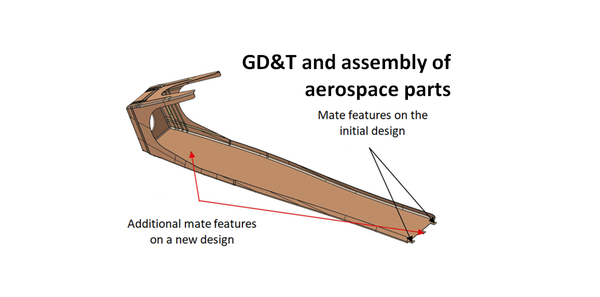
Tolerancing Geometric dimensioning and tolerancing (GD&T) and assembly of aerospace parts The assembly feature design and tolerance stack-up analysis of aerospace parts are very important for the analysis of assembly variations or deviations.
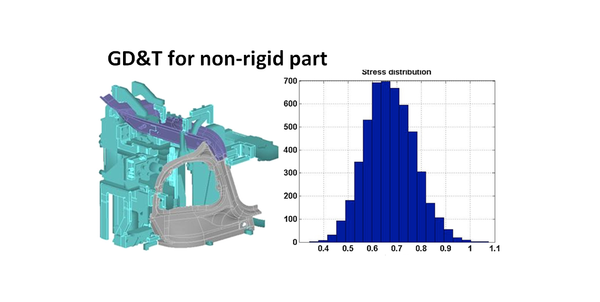
Tolerancing Geometric dimensioning and tolerancing (GD&T) and assembly of non-rigid parts For non-rigid part assembly, the fixturing force will be relevant and needs to be considered carefully in their assembly design.
Tolerancing The economic benefits of tolerance stack-up analysis Tolerance stack-up analysis has many advantages, especially from economical perspective.
Tolerancing General benefits when the variation transformation chain of an assembly is known This post will show general advantages if we have the tolerance stack-up model or the variation transformation chain of an assembly.
Tolerancing Good practice guide for designing an assembly and its components Assembly process should be carefully designed just as designing parts. A good design of assembly process will lead to a flexible, accurate and low-cost assembly process.
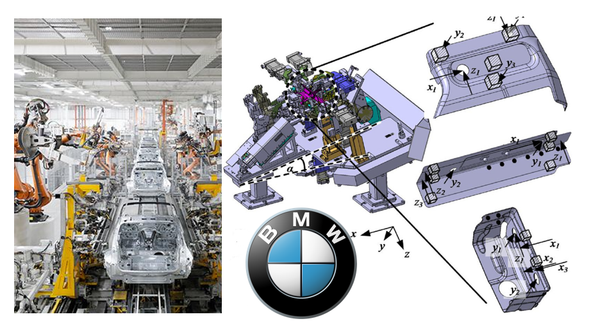
Tolerancing How BMW reduces their assembly cost by optimising assembly features and fixturing constraints BMW reduces their total assembly cost by significantly reducing, if not completely eliminating, fixtures for assembly.
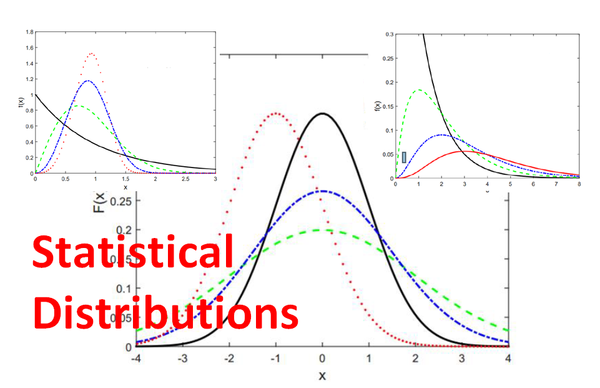
Research Continuous and discrete statistical distributions: Probability density/mass function, cumulative distribution function and the central limit theorem In real world, all variables are random and the randomness is modelled by statistical distributions. In this post, various type of statistical distributions for both continuous and discrete random variables are explained.
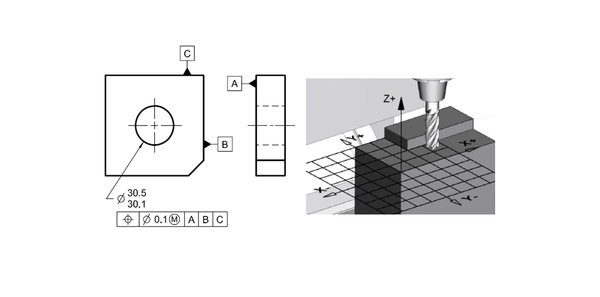
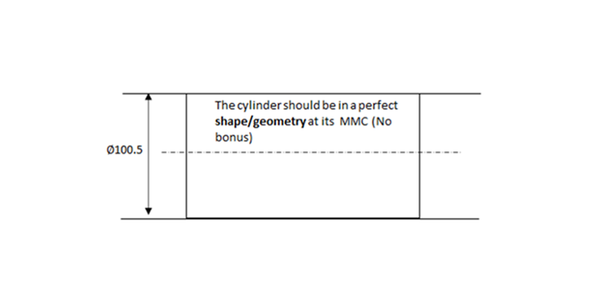
Tolerancing Datum references, tolerance zone and material condition in GD&T This post explains some fundamental elements of GD&T. The elements are datum reference (datum reference frame), tolerance zone and material condition.
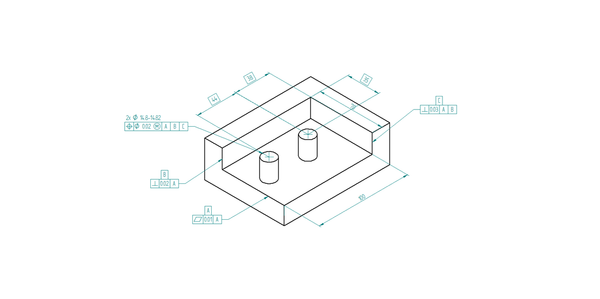
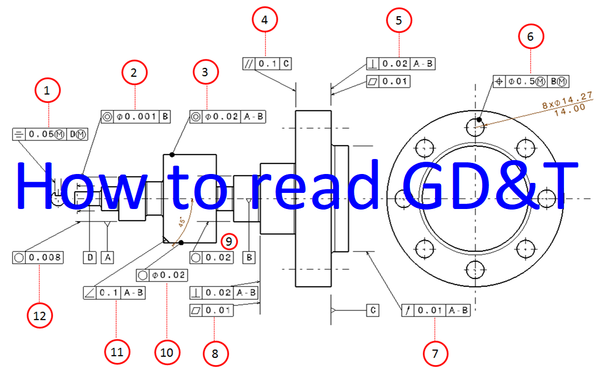
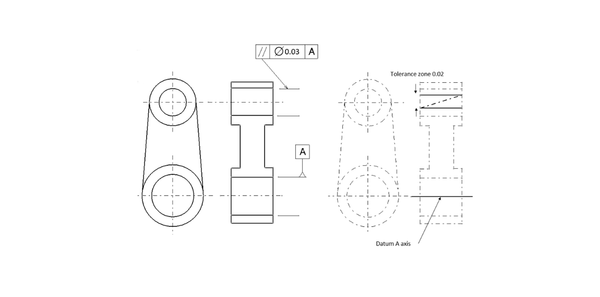
Tolerancing Examples on how to interpret GD&T: Form, orientation, location and run-out tolerances This post presents and discusses real examples on how to interpret GD&T tolerancing symbols from technical drawings.
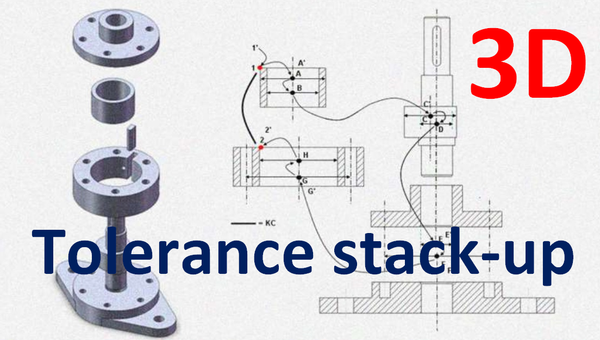
Tolerancing 3D tolerance stack-up analysis with examples In this post, 3D tolerance stack-up analysis will be explained with two examples. Both traditional “+/-” dimensional tolerance and geometrical tolerance (GD&T) are considered.
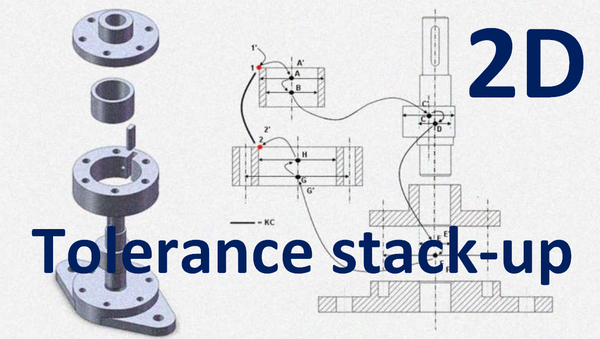
Tolerancing 2D tolerance stack-up analysis with examples Every part constituting an assembled product has tolerances assigned to the part’s features. These assigned tolerances cause variations on the key characteristics (KCs) of the assembled part. How can we know how much the variations on the KCs before manufacturing the parts?